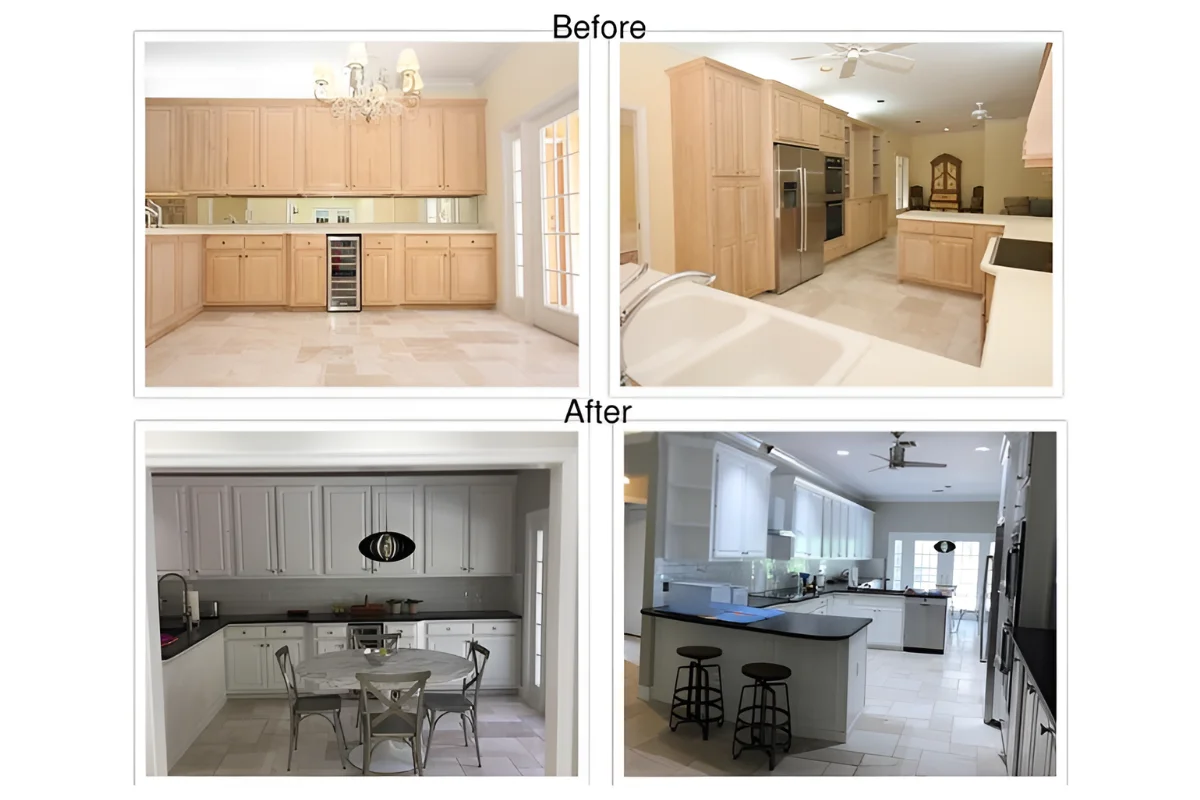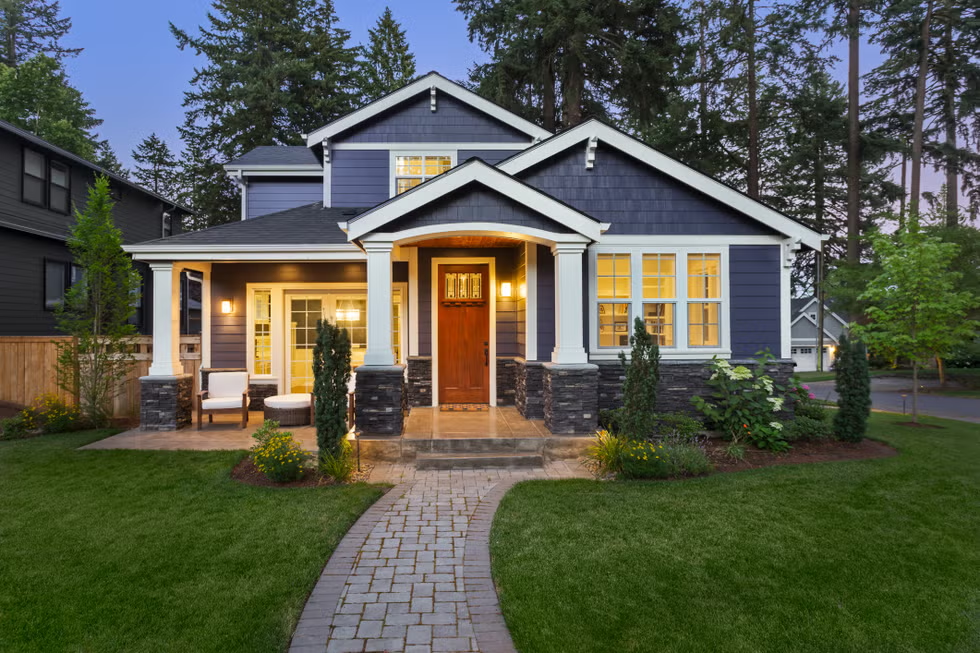

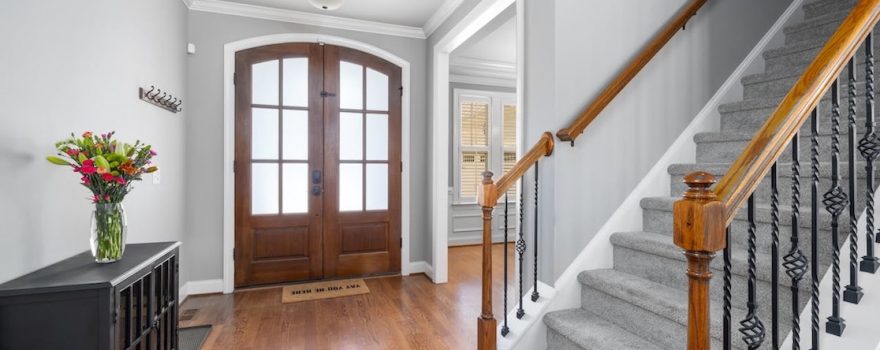
How Long Does Interior Paint Typically Last?
There is no single expiration date for interior paint. In a Seattle home, a professionally applied interior paint job can remain attractive for years, but its actual lifespan depends on several factors, including the quality of the paint, surface preparation, room usage, paint finish, moisture levels, and everyday wear.
Benjamin Moore explains that paint longevity depends on factors such as the surface, product and sheen selected, wear and tear, and application technique. Premium interior products are formulated to provide service life measured in years rather than a fixed number of years for every home.
For many Seattle homeowners, about 5 to 10 years is a reasonable general planning range for interior walls, but some rooms may need attention much sooner while lightly used spaces can look good considerably longer. A busy hallway, kitchen, entryway, or children’s room typically experiences more scuffs and contact than a formal dining room or guest bedroom.
The important question is not simply how old the paint is. Instead, homeowners should evaluate the condition of the surface and determine whether the existing coating is still providing the appearance and durability they want.
What Causes Interior Paint to Wear Out Faster in Seattle?
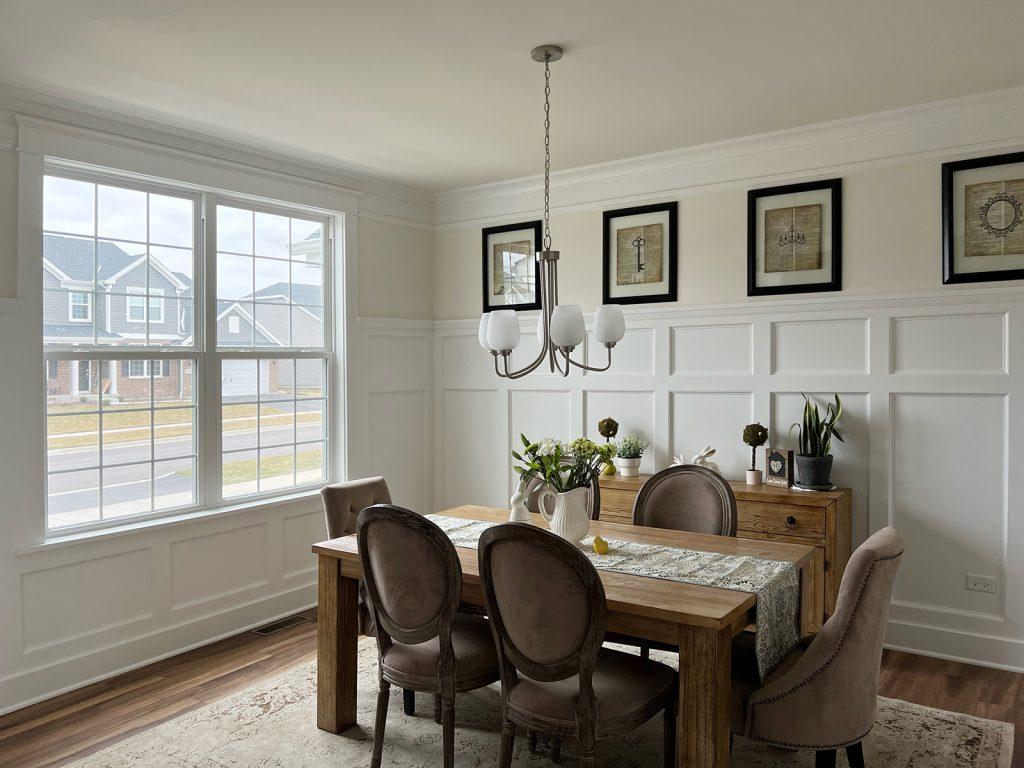
Seattle’s climate can influence interior conditions, particularly in rooms where moisture and humidity are already a concern. Bathrooms, kitchens, laundry rooms, basements, and other areas with elevated moisture exposure can experience different paint performance than dry living spaces.
Humidity can also affect paint application and drying. Benjamin Moore notes that paint takes longer to dry in humid environments, while product-specific technical data sheets provide the appropriate drying and recoat information for individual products.
However, moisture is not the only reason interior paint becomes worn. Common causes include:
- Frequent touching and contact with walls
- Furniture rubbing against painted surfaces
- Children, pets, and everyday household activity
- Cooking-related grease and airborne residue
- Water stains or previous leaks
- Poor surface preparation before the original painting
- Using an interior coating that is not appropriate for the room
- Repeated cleaning or scrubbing
- Direct sunlight entering rooms through windows
Seattle’s own residential painting guidance emphasizes the importance of moisture management. Its Green Home Guide notes that moisture is a major factor in mildew growth and recommends addressing underlying issues such as gutter leaks, drainage problems, and excessive vegetation.
That distinction matters. If paint is deteriorating because of a leak, persistent moisture, or another underlying problem, simply applying another coat may not solve the issue.
Signs Your Seattle Home Needs Interior Painting
A calendar can help you estimate when a repaint may be appropriate, but the condition of the walls is often a better indicator. If your interior paint is showing visible deterioration, it may be time to consider repainting even if the existing coating is not particularly old.
Look for scuffing, fading, peeling, cracking, stains, uneven color, and areas that no longer clean up well. High-traffic areas can show these signs before less frequently used rooms.
Walls may also need repainting after repairs or remodeling. New drywall, patched areas, wallpaper removal, or significant changes to the existing surface can create differences in texture or sheen that are difficult to hide with simple touch-ups.
Another sign is when touch-ups become increasingly noticeable. Even when you still have the original paint color, aging, fading, and differences in sheen can make a small repair stand out against the surrounding wall.
Does the Type of Room Affect How Long Paint Lasts?
Absolutely. Different rooms place different demands on painted surfaces, which is why two rooms painted at the same time may not need repainting at the same time.
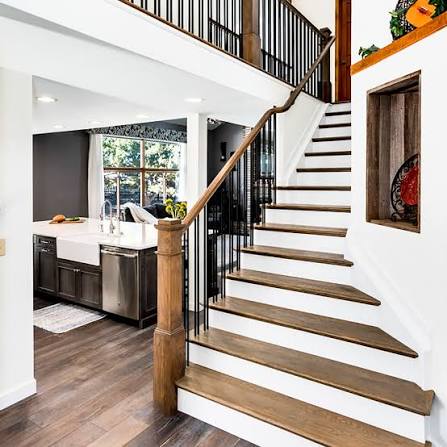
Kitchens and bathrooms often require coatings that can handle regular cleaning and moisture exposure. Hallways and stairways receive frequent contact from people, furniture, bags, and other objects. Living rooms and bedrooms may experience less physical wear, although homes with children or pets can see considerably more activity.
Paint sheen also plays a role in maintenance. Benjamin Moore identifies eggshell as a popular finish for interior walls, while its Regal Select Interior product is designed to resist marring, burnishing, stains, spills, and scuffs in high-traffic areas.
Seattle homeowners should therefore select paint based on the room rather than automatically using the same product and finish throughout the house. A professional painter can evaluate the existing surface and recommend a coating system appropriate for the room’s expected use.
Proper application matters as well. Benjamin Moore recommends properly preparing walls and applying the manufacturer’s recommended number of coats for optimal coverage.
When Should You Repaint the Interior of Your Seattle Home?
If your interior paint is several years old but still looks clean, consistent, and well maintained, there may be no immediate need to repaint. On the other hand, visible wear, persistent stains, peeling, cracking, fading, or difficult-to-match touch-ups are good reasons to have the walls evaluated.
A repaint can also make sense when your goals have changed. Homeowners may repaint after remodeling, before selling a property, when updating an outdated color scheme, or when they want to create a more consistent appearance throughout the home.
The key is to address the condition of the surface, not simply the age of the paint. A high-quality coating applied over a properly prepared surface can provide years of service, while a poorly prepared surface may show problems much sooner. Benjamin Moore specifically identifies surface condition, product selection, wear, and application technique as factors affecting paint longevity.
For Seattle homeowners, it is also important to investigate any moisture or staining problems before repainting. If there is evidence of an active leak or persistent moisture issue, that underlying problem should be addressed before a new coating is applied.
If your walls are beginning to look worn or you’re unsure whether your home is ready for a fresh coat, a professional interior painting assessment can help determine whether you need simple touch-ups, targeted repairs, or a complete repaint.
Ultimately, interior paint in a Seattle home can last for many years, but there is no universal timeline that applies to every room. The quality of the original work, the type of paint, room conditions, household activity, and ongoing maintenance all influence how long the finish continues to look its best. Paying attention to early signs of wear can help Seattle homeowners plan their next interior painting project before minor cosmetic issues become larger preparation problems. Get a free estimate today!