

Interior vs. Exterior Painting for Seattle Homes
Interior vs. Exterior Painting: Why the Difference Matters
Painting a Seattle home is not a one-size-fits-all project. While both interior and exterior painting can improve the appearance of a property, each requires different preparation, products, application techniques, and timing. The biggest distinction is the environment the paint must withstand.
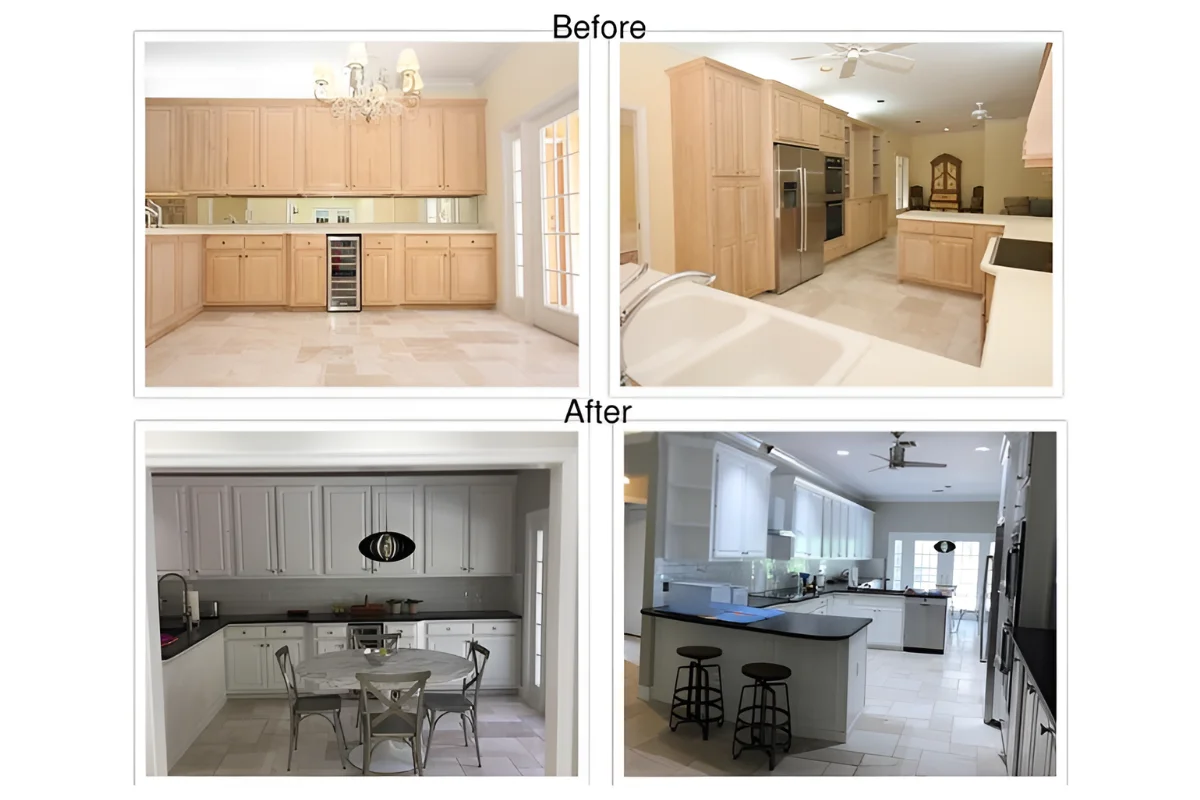
Interior painting takes place in a controlled environment, where surfaces are generally protected from rain, direct sunlight, and large temperature changes. The focus is typically on achieving a smooth finish, selecting the appropriate sheen, protecting floors and furnishings, and addressing issues such as nail holes, minor drywall damage, stains, or previous coatings.
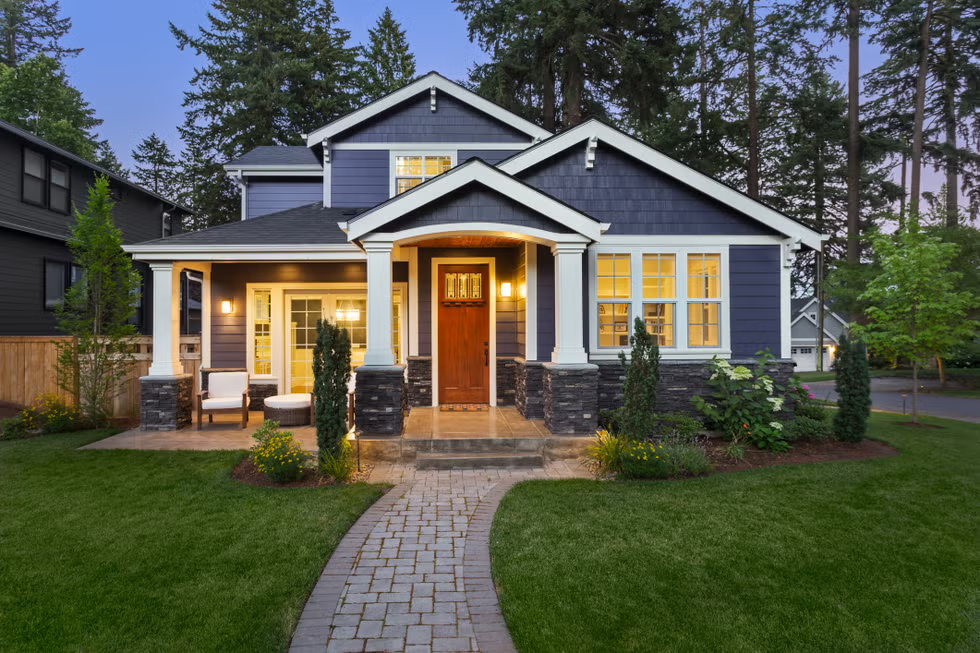
Exterior painting, on the other hand, must account for Seattle’s moisture, rain, humidity, sunlight, and seasonal changes. Exterior surfaces need to be clean and completely dry before paint is applied. Benjamin Moore specifically notes that rain can interfere with an exterior painting project and that higher humidity can slow drying.
For Seattle homeowners, this distinction is important when planning a project. An interior room can often be painted with relatively little concern about the outdoor forecast, while an exterior project requires careful attention to surface moisture, temperature, and upcoming weather conditions.
How Preparation Differs Between Interior and Exterior Painting
Preparation is one of the most important parts of any professional painting project, but the process differs considerably between indoor and outdoor surfaces.

For an interior painting project, preparation may include moving or covering furniture, protecting flooring, removing wall plates, repairing drywall imperfections, sanding rough areas, cleaning surfaces, and priming areas where needed. The goal is to create a clean, sound surface that allows the new coating to adhere properly and produce an even finish.
Exterior preparation is more involved because the surfaces are exposed to the elements. Depending on the condition of the home, preparation may include washing away dirt and biological growth, scraping loose paint, sanding rough edges, repairing damaged areas, priming exposed surfaces, and caulking appropriate gaps around windows, doors, siding, and trim.
Seattle’s damp environment makes moisture control particularly important. The City of Seattle’s Green Home Guide explains that moisture is a major factor in mildew growth and recommends addressing issues such as vegetation, gutter leaks, and drainage problems.
Choosing Paint and Finishes for Seattle Interiors and Exteriors
The paint used inside a home should not automatically be used on the exterior. Interior and exterior coatings are formulated for different conditions and performance requirements.
For interiors, homeowners generally choose a finish based on the room and the amount of cleaning or wear the surface will receive. Walls may use a lower-sheen finish, while trim, doors, and other high-contact surfaces can benefit from a more washable finish. Color selection is also important because natural and artificial lighting can change how a color appears throughout the day.
Exterior coatings need to withstand significantly more exposure. Benjamin Moore notes that quality exterior paints can provide benefits including UV resistance, resistance to wind-driven rain, mildew resistance, and the ability to accommodate expansion and contraction. Acrylic and latex formulations are commonly used across many exterior substrates, including wood siding, brick, fiber cement, stucco, and EIFS.
The substrate itself also matters. A Seattle home with cedar siding has different preparation and coating considerations than a home with fiber-cement siding, stucco, or previously painted brick. Rather than choosing a product solely by color or brand, homeowners should have the existing surface evaluated so the primer and finish system are appropriate for the material and its condition.
When Should Seattle Homeowners Schedule Interior or Exterior Painting?
One of the biggest advantages of interior painting is flexibility. Because the work occurs inside, homeowners can generally schedule an interior project throughout much of the year, assuming the space can be properly ventilated and prepared for painting.

Exterior painting is more dependent on conditions. Seattle’s wet climate means contractors need an appropriate dry-weather window so surfaces can be prepared, painted, and allowed to cure properly. Benjamin Moore recommends planning around the weather and explains that low temperatures and high humidity can slow product drying.
For that reason, exterior painting is commonly planned around Seattle’s drier portions of the year rather than simply choosing a date based on convenience. A professional painting contractor should evaluate the forecast, surface condition, shade and sun exposure, and the manufacturer’s application requirements before beginning.
Homeowners should also avoid assuming that a single warm or sunny day automatically makes conditions suitable. The surface itself must be dry, and recently cleaned or repaired areas may need additional drying time before coatings are applied. This is especially important for wood siding and other exterior materials that can retain moisture.
Which Painting Project Is Right for Your Seattle Home?
Deciding between interior and exterior painting ultimately comes down to the condition and goals of your property. If your walls, ceilings, trim, or doors are showing scuffs, outdated colors, stains, or worn finishes, an interior painting project may be the right place to start. If your siding, trim, fascia, doors, or other exterior surfaces show peeling, cracking, fading, chalking, or significant surface buildup, an exterior evaluation may be more appropriate.
For Seattle homeowners, exterior painting should be approached as more than a cosmetic update. Proper preparation and the correct coating system can help protect painted surfaces from the moisture and environmental exposure they experience throughout the year. The City of Seattle also recommends addressing moisture-related problems, such as drainage and gutter issues, rather than simply painting over the symptoms.
Interior painting offers a different set of benefits, including updating colors, improving the appearance of frequently used spaces, and giving worn surfaces a cleaner, more consistent finish.
Whether you’re planning one room or preparing to repaint the entire exterior, working with an experienced Seattle painting contractor can help you determine what preparation is needed, which products are appropriate for the surface, and how the project should be scheduled.
For Seattle homeowners, the most successful painting projects begin before the first coat is applied. Evaluating the surface, correcting underlying problems, choosing the right materials, and scheduling the work under appropriate conditions all contribute to a better finished result. Quality First Painting can help homeowners determine whether their property is better suited for an interior update, an exterior repaint, or a combination of both. Get a free estimate today!