
Painting Wood Siding on Seattle Homes
Why Wood Siding Requires Special Attention in Seattle
Wood siding is a popular exterior material on homes throughout the Seattle area, but it requires proper preparation and ongoing maintenance to keep it looking its best. Unlike manufactured siding materials, wood is a natural material that can absorb and release moisture as environmental conditions change.
Seattle’s wet climate makes moisture management particularly important when painting wood siding. Paint applied to damp or improperly prepared wood can have adhesion problems and may begin peeling or failing prematurely.
Before painting, homeowners should inspect the siding for areas of rot, damaged boards, loose paint, failed caulking, mildew, and other conditions that could affect the finished coating. Painting over deteriorated wood does not correct the underlying problem.
For Seattle homes with older wood siding, this preparation stage can be especially important. A professional assessment can help determine whether the siding is ready for repainting or whether repairs should be completed first.
Inspecting and Preparing Wood Siding Before Painting
The quality of the finished paint job begins long before the first coat is applied. Wood siding should be inspected carefully to identify conditions that could interfere with adhesion or allow moisture to damage the substrate.
Preparation may include:
- Cleaning dirt, dust, mildew, and other surface contaminants
- Removing loose or peeling paint
- Scraping deteriorated coatings
- Sanding rough edges and remaining loose areas
- Replacing severely damaged or rotten boards
- Repairing cracks and surface defects
- Replacing deteriorated caulking where appropriate
- Priming exposed or repaired areas as needed
- Allowing the surface to dry thoroughly before painting
Seattle homeowners should pay particular attention to areas around windows, doors, rooflines, gutters, and joints between different materials. These locations can experience increased moisture exposure and may require additional preparation.

If wood siding has significant deterioration, the appropriate solution may involve carpentry or siding repairs before painting begins. Painting should be treated as the final stage of the process rather than a substitute for repairing damaged wood.
Choosing the Right Paint for Seattle Wood Siding
Selecting an exterior coating for wood siding involves more than choosing a color. The paint should be designed for exterior use and compatible with the existing surface and preparation system.
The existing condition of the wood can also influence the appropriate primer and finish. Areas where bare wood has been exposed may require specific priming before the finish coat is applied. Previously painted siding may have different requirements depending on the condition and type of the existing coating.
Homeowners should also consider the finish and color carefully. The color should complement the home’s architecture and surrounding property, while the selected coating should be appropriate for exterior wood.
It is important not to assume that every exterior paint product is interchangeable. Product manufacturers provide specific application instructions, including recommended surface preparation, temperature ranges, drying conditions, and recoat requirements.
How Seattle Weather Can Affect Wood Siding Painting
Weather conditions are one of the biggest considerations when painting wood siding in Seattle. Rain and high humidity can make it difficult for exterior surfaces to dry properly, while painting a damp surface can interfere with adhesion and overall coating performance.
Wood siding can retain moisture, particularly in shaded areas or after prolonged wet conditions. A surface that looks dry from a distance may still contain moisture that needs to dissipate before painting.
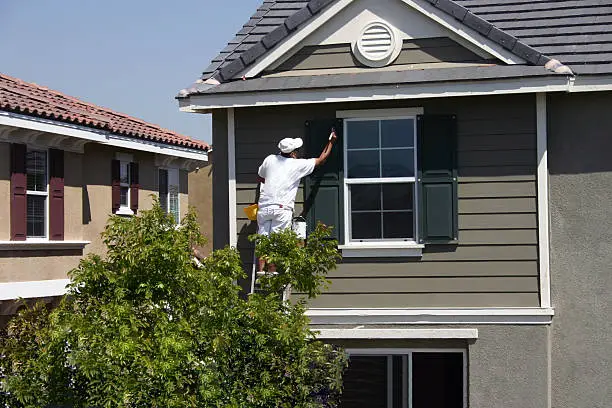
Seattle homeowners should therefore avoid selecting an exterior painting date based solely on whether it looks sunny that morning. Contractors need to consider recent moisture exposure, the forecast, surface temperature, humidity, and the manufacturer’s application requirements.
Timing is especially important when a project includes extensive cleaning or pressure washing. The siding needs adequate time to dry before primer and paint are applied.
Maintaining Painted Wood Siding After the Project
A quality paint job does not eliminate the need for exterior maintenance. Regular inspections can help Seattle homeowners catch small problems before they develop into larger repairs.
Look for peeling or cracking paint, failed caulking, exposed wood, mildew growth, staining, and areas where water appears to collect or repeatedly contact the siding. Pay particular attention to trim, window and door openings, roofline areas, and locations near gutters and downspouts.
Moisture problems should be corrected promptly. The City of Seattle’s Green Home Guide explains that moisture can contribute to paint failure and recommends addressing problems such as leaking gutters, defective flashing, deteriorated caulking, and other sources of excess moisture.
Keeping gutters and downspouts functioning properly can help direct water away from siding. Homeowners should also manage vegetation around the house so that plants do not remain in prolonged contact with painted wood and restrict airflow.
When the finish eventually begins showing widespread deterioration, repainting should start with another careful inspection and preparation process. Depending on the condition of the existing coating, that may mean cleaning and spot preparation or a much more extensive removal and repair process.
For Seattle homeowners, painting wood siding successfully requires attention to the entire system: sound wood, proper preparation, compatible primer and paint, appropriate application conditions, and ongoing maintenance. When those elements are handled correctly, a new exterior coating can provide an attractive finish while helping protect the wood siding underneath. Get a free estimate today!