

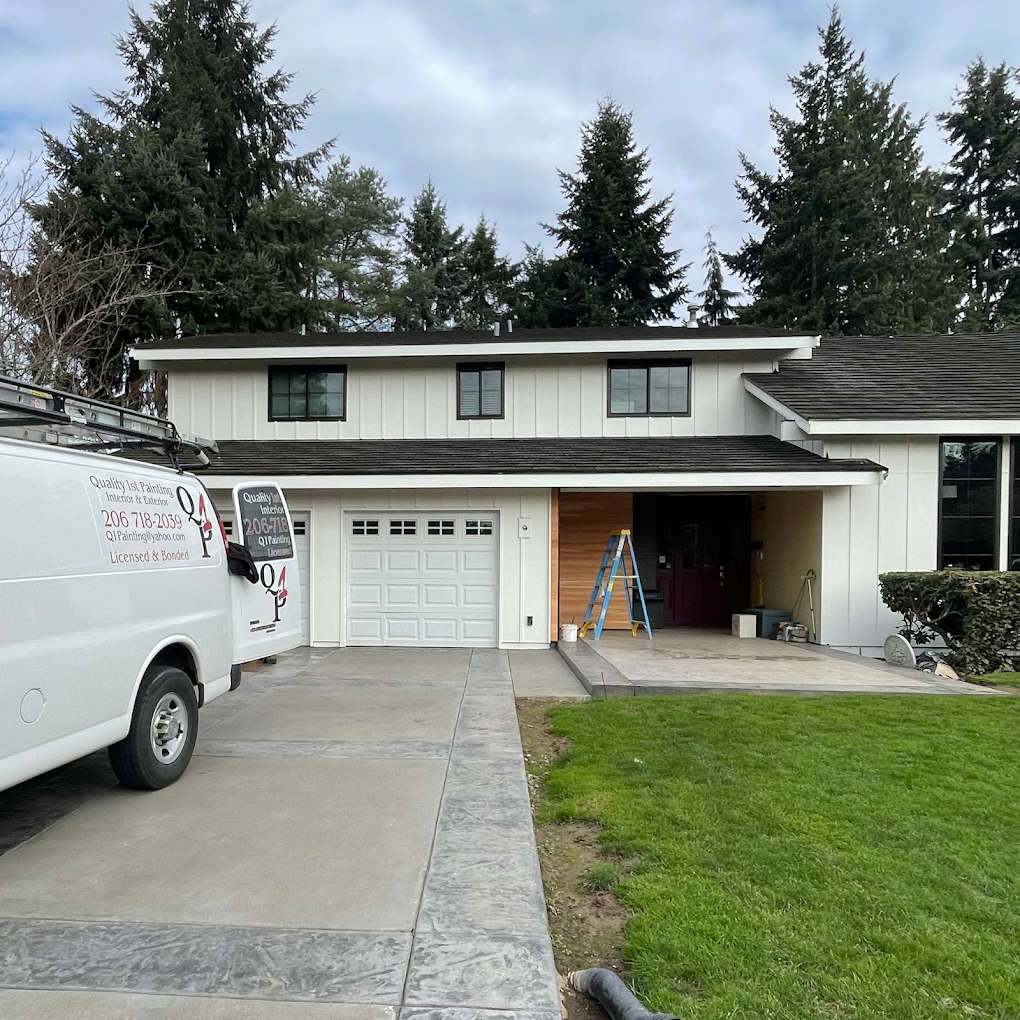
How to Paint Cedar Siding on a Seattle Home
Why Cedar Siding Needs Special Care in Seattle
Cedar siding is valued for its natural appearance, durability, and ability to complement a wide range of home styles. However, painting cedar siding requires careful preparation because wood is porous and responds to moisture and environmental conditions.
Seattle homeowners need to pay particular attention to moisture when maintaining cedar siding. Rain, humidity, shade, and prolonged damp conditions can affect both the wood and the coating applied to it. If moisture is trapped within the siding or enters through damaged areas, it can contribute to peeling, staining, or deterioration.
Before painting cedar siding, the existing surface should be evaluated for loose or failing coatings, mildew, dirt, weathering, cracks, damaged boards, and areas where moisture may be entering. Painting over an unsound surface can lead to premature coating failure.

For Seattle homes, choosing between paint and a solid-color stain should be based on the existing finish, condition of the cedar, desired appearance, and compatibility of the new coating with the surface.
Preparing Cedar Siding Before Painting
Preparation is one of the most important parts of painting cedar siding. Cedar that has been exposed to Seattle’s outdoor conditions may have accumulated dirt, mildew, weathered fibers, or deteriorated coatings that need to be addressed before a new finish is applied.
Depending on the condition of the siding, preparation may include:
- Cleaning dirt and surface contaminants
- Removing mildew or biological growth appropriately
- Scraping loose or peeling paint
- Sanding rough or weathered areas
- Replacing damaged or severely deteriorated boards
- Repairing surface defects
- Addressing failed caulking where appropriate
- Priming exposed areas when required by the coating system
- Allowing the siding to dry thoroughly before coating
Cedar should never be painted simply because the existing finish looks faded. A professional should first determine whether the wood itself is sound and whether moisture or previous coating failure has created an underlying problem.
If the siding contains significant rot or structural deterioration, those areas should be repaired or replaced before the finishing process begins.
Should You Paint or Stain Cedar Siding?
One of the biggest decisions Seattle homeowners face is whether to use conventional exterior paint or a stain designed for wood siding. The right choice depends on the home’s existing finish, the condition of the cedar, and the appearance the homeowner wants.
Paint creates an opaque finish that can provide a broad range of color options and can conceal much of the natural wood appearance. When properly applied over a properly prepared surface, exterior paint can provide a durable protective coating.
The existing coating matters when deciding which direction to take. Applying a new product over an incompatible or failing finish can create adhesion and appearance problems.
Homeowners should also consider whether they want to preserve some of cedar’s natural visual characteristics or create a completely opaque painted appearance.
Rather than selecting a product based solely on its appearance in a color chart, Seattle homeowners should have the existing cedar and coating evaluated first. The manufacturer’s instructions for the selected system should then guide preparation and application.
How Seattle’s Climate Affects Cedar Siding
Seattle’s wet climate makes moisture management a major consideration when maintaining cedar siding. Cedar naturally responds to changes in moisture, and prolonged exposure to wet conditions can contribute to swelling, movement, coating deterioration, and wood damage when moisture is not properly controlled.
Shaded sections of a home can also remain damp longer than areas receiving direct sunlight. Cedar siding located beneath trees, near dense landscaping, or on less-sun-exposed sides of a home may require closer inspection.
Seattle homeowners should also remember that a new coating cannot compensate for a leaking gutter, damaged flashing, or deteriorated siding. Those problems need to be corrected as part of the overall exterior maintenance process.
Maintaining Painted or Stained Cedar Siding
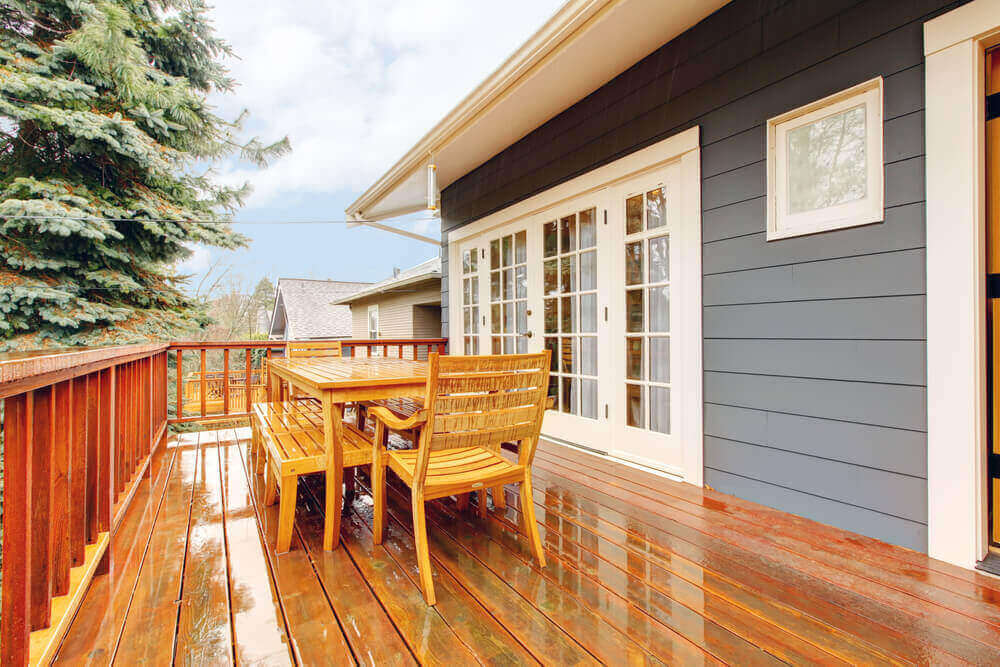
Proper maintenance can help Seattle homeowners identify coating and wood problems before they become extensive. Cedar siding should be inspected periodically for peeling, cracking, discoloration, mildew, exposed wood, failed caulking, and areas that remain unusually damp.
Gutters and downspouts should be kept clear and functioning correctly so water is directed away from the siding. Homeowners should also monitor vegetation around the property. Trees, shrubs, and other plants that remain pressed against the cedar can restrict airflow and keep surfaces damp.
When the finish begins to fail, homeowners should avoid simply applying another coat over peeling or deteriorated material. The existing surface needs to be evaluated and properly prepared first. Depending on the condition, that may involve cleaning, scraping, sanding, spot priming, repairs, or more extensive preparation.
For Seattle homeowners, successfully painting cedar siding comes down to proper surface evaluation, thorough preparation, moisture control, compatible products, and correct application. Whether you choose an opaque exterior paint or a solid-color wood stain, the coating should be selected and applied according to the condition of the cedar and the manufacturer’s specifications.
If your Seattle home’s cedar siding is faded, peeling, weathered, or showing signs of moisture damage, a professional painting contractor can evaluate the existing finish and help determine whether painting, staining, repairs, or additional preparation is the appropriate next step. Get a free estimate today!

